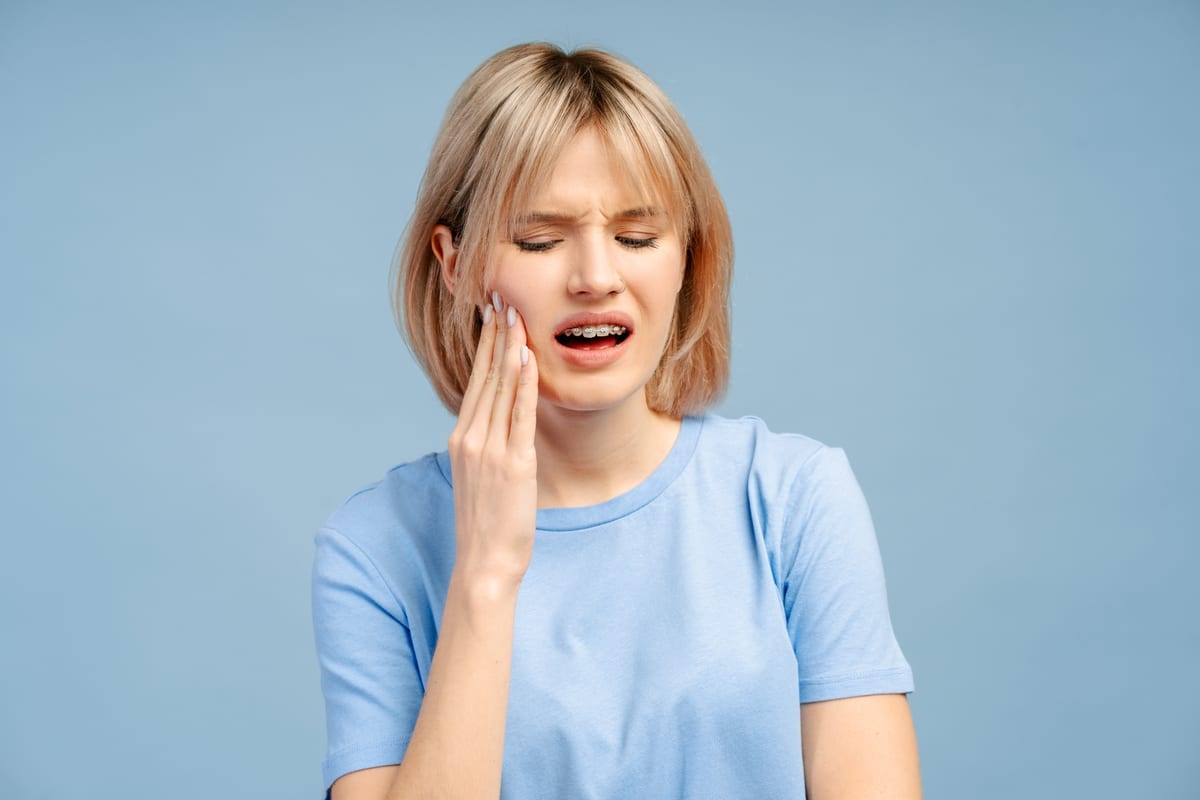


Breaking the Bruxism Cycle: Why Your Grinding Worsens TMJ Pain Rancho Cucamonga, CA


Do you wake up with a sore jaw, headaches, or sensitive teeth? You may be caught in a destructive loop that many Cucamonga patients don’t even realize they’re in. Breaking the bruxism cycle and understanding why your grinding worsens TMJ pain in Cucamonga is the first step toward real, lasting relief. At Choice Family Dentistry of Rancho Cucamonga, Dr. Andrea Choi helps patients identify this cycle and interrupt it before serious damage sets in.
What Is the Bruxism-TMJ Cycle — and Why Does It Matter?
Bruxism is the clinical term for teeth grinding or clenching. Most people grind their teeth at night without knowing it. Over time, this repetitive pressure places enormous strain on the temporomandibular joint, or TMJ.
The TMJ connects your jawbone to your skull. It controls every chewing, speaking, and yawning motion you make. When bruxism overloads this joint, inflammation and pain follow quickly.
Here is where the cycle becomes dangerous. Joint pain and inflammation cause your jaw muscles to tighten protectively. That muscle tension leads to even more clenching — which causes more joint damage. One problem feeds the other relentlessly.
Understanding this feedback loop is critical. Without interrupting it, neither the bruxism nor the TMJ pain will fully resolve on its own.
How Teeth Grinding Damages the TMJ Over Time
Each grinding episode generates enormous force — far beyond normal chewing. Repeated exposure to that force erodes the cartilage cushioning your TMJ. Once that cartilage wears thin, bone-on-bone friction becomes a real risk.
Patients in Cucamonga often report these warning signs:
- Clicking or popping sounds when opening the jaw
- Jaw pain that worsens in the morning
- Chronic headaches or migraines near the temples
- Facial soreness or tightness throughout the day
- Earaches without any ear infection present
- Worn, flattened, or chipped tooth surfaces
Many patients dismiss these symptoms as stress-related tension. They are — but the physical damage compounds quietly in the background. Waiting too long can mean more complex treatment down the road.
In advanced cases, untreated bruxism may even lead to tooth fractures or complete tooth loss. Patients who lose teeth may later explore Dental Implants Cucamonga to restore full function and appearance.
Why TMJ Pain Actually Makes Your Grinding Worse
This part surprises most patients. Pain itself reinforces the grinding habit. When your TMJ is inflamed and sore, your brain interprets that as a threat signal. Your body responds by tensing the surrounding muscles.
That muscle tension keeps your jaw in a guarded, clenched position — even while you sleep. Your nervous system is trying to protect the injured joint. Instead, it ends up stressing it further with constant clenching pressure.
Stress and anxiety play a compounding role here as well. Emotional stress increases nighttime grinding frequency. More grinding means more joint irritation. More irritation means more muscle guarding. The cycle accelerates without intervention.
This is why treating only the pain — with over-the-counter medications — rarely provides lasting relief. The underlying mechanical and neurological drivers of bruxism must be addressed directly.
Breaking the Bruxism Cycle: TMJ Treatment Options in Cucamonga
Dr. Andrea Choi takes a comprehensive approach to interrupting this destructive loop. Treatment begins with a thorough evaluation of your jaw joint, bite alignment, and muscle function. No two cases are identical.
Common treatment strategies include:
- Custom night guards: Precisely fitted oral appliances reduce grinding force and protect tooth surfaces while you sleep.
- Bite adjustment therapy: Correcting bite imbalances removes uneven pressure from the TMJ during daily function.
- Jaw muscle therapy: Targeted exercises and stretches reduce chronic muscle tension that triggers clenching.
- Stress management guidance: Behavioral strategies help reduce the emotional triggers that escalate nighttime grinding.
- Anti-inflammatory approaches: Reducing joint inflammation breaks the pain-tension feedback loop faster.
When dental emergencies arise from bruxism — such as a cracked or severely worn tooth — prompt care is essential. Emergency Dentistry Cucamonga services at Choice Family Dentistry ensure you receive timely attention when damage happens unexpectedly.
Dr. Choi also evaluates whether sleep apnea may be contributing to your grinding. Many patients have both conditions simultaneously. Addressing sleep-disordered breathing can dramatically reduce nighttime bruxism activity.
What Cucamonga Patients Can Do Right Now
While professional treatment is the most effective solution, there are steps you can take immediately to reduce strain on your TMJ. Small daily habits make a meaningful difference over time.
Try these practical strategies between dental visits:
- Avoid hard, chewy, or tough foods that stress the jaw joint
- Apply warm compresses to sore jaw muscles for 10–15 minutes daily
- Practice mindful jaw relaxation — keep teeth slightly apart during the day
- Limit caffeine intake, especially in the afternoon and evening hours
- Prioritize sleep quality and establish a consistent nighttime routine
These habits won’t replace professional care. But they support your treatment and help break the tension cycle between appointments. Consistency matters enormously with TMJ recovery.
If you notice acute jaw pain, difficulty opening your mouth, or sudden tooth damage, seek care promptly. Delaying treatment allows the cycle to continue and deepen the damage.
Conclusion: You Don’t Have to Stay Stuck in the Cycle
Breaking the bruxism cycle is absolutely achievable with the right diagnosis and care plan. Dr. Andrea Choi and the team at Choice Family Dentistry of Rancho Cucamonga are dedicated to helping Cucamonga patients find real, lasting jaw relief. You deserve mornings without pain and nights of genuine rest. Book Now to schedule your appointment with our team.
Frequently Asked Questions
How do I know if I grind my teeth at night?
Common signs include waking up with jaw soreness, headaches near the temples, or a partner telling you they hear grinding sounds. Worn, flattened tooth surfaces visible during a dental exam also confirm nighttime bruxism. Dr. Choi can identify these signs during a routine evaluation.
Can bruxism permanently damage my TMJ?
Yes, long-term untreated bruxism can erode cartilage, cause joint inflammation, and even lead to structural TMJ damage. Early intervention is the most effective way to prevent permanent harm. The sooner the cycle is interrupted, the better your long-term outcome will be.
Will a night guard completely stop my TMJ pain?
A custom night guard significantly reduces grinding force and protects your teeth and joint during sleep. For many patients, it provides substantial relief. However, Dr. Choi may recommend additional therapies to address muscle tension and bite alignment for complete, lasting results.
Is there a connection between sleep apnea and teeth grinding?
Research shows a strong association between sleep apnea and bruxism. The airway obstruction caused by sleep apnea can trigger grinding as the body tries to reopen the airway. Dr. Choi screens for sleep-related issues and can coordinate a comprehensive treatment approach when both conditions are present.
How long does TMJ treatment typically take?
Treatment timelines vary based on severity. Some patients notice improvement within a few weeks of wearing a night guard and following lifestyle guidance. More complex cases involving significant joint damage or bite issues may require several months of consistent care. Dr. Choi will outline a realistic timeline during your initial consultation.