

Stop TMJ Pain Without Surgery: 5 Self-Care Techniques That Actually Work Rancho Cucamonga, CA

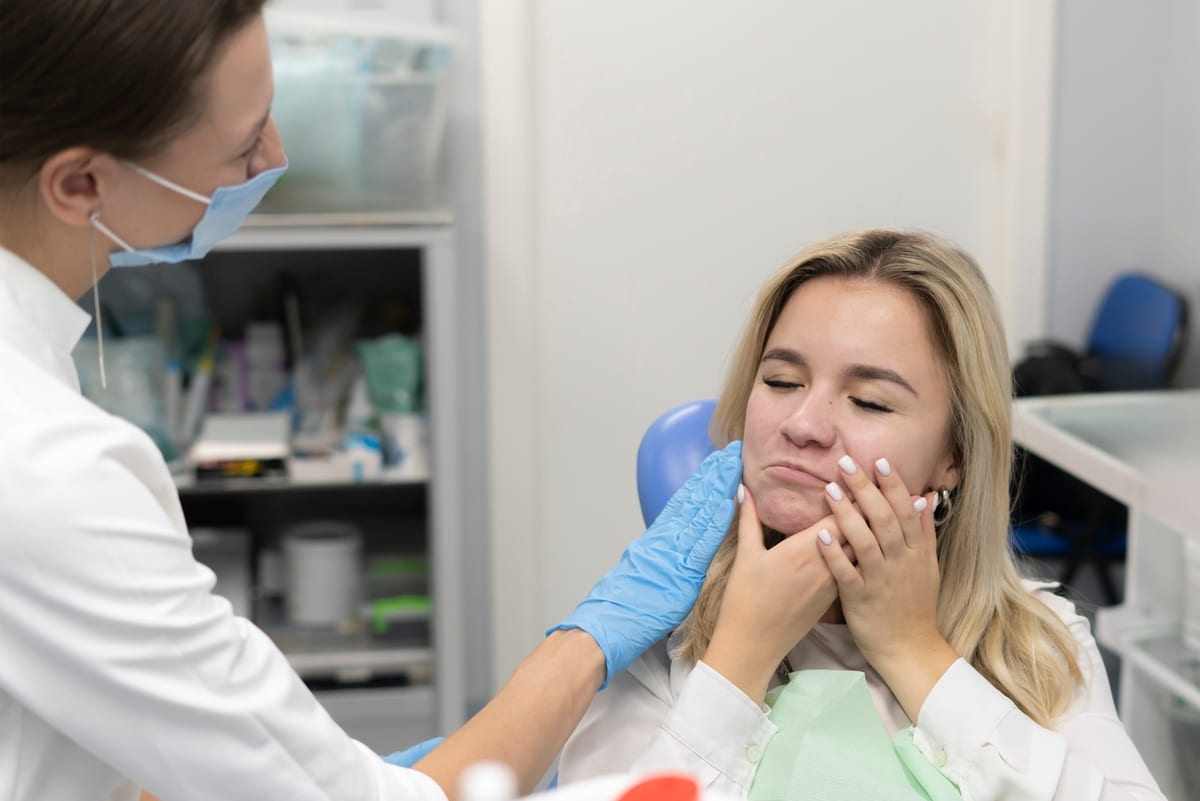
If you wake up with jaw pain, headaches, or a clicking jaw, you are not alone. TMJ disorders affect millions of Americans every year. The good news? You can stop TMJ pain without surgery using practical self-care techniques that actually work right here in Cucamonga. At Choice Family Dentistry of Rancho Cucamonga, Dr. Andrea Choi helps patients understand their options before turning to invasive treatments.
This guide covers five evidence-backed strategies you can start today. We also explain which everyday habits are silently making your jaw worse.
What Is TMJ and Why Does It Hurt So Much?
The temporomandibular joint connects your jawbone to your skull. You have one on each side of your face. These joints control chewing, speaking, and yawning. When they become inflamed or misaligned, the pain can radiate into your neck, ears, and temples.
Common TMJ symptoms include:
- Clicking or popping sounds when you open your mouth
- Jaw stiffness or locking
- Dull aching pain around the ear or jaw
- Frequent headaches or migraines
- Tooth sensitivity from clenching or grinding
Understanding the root cause is the first step toward real relief. Stress, teeth grinding, bite misalignment, and poor posture all contribute to TMJ flare-ups.
5 Self-Care Techniques That Actually Work in Cucamonga
These strategies are simple, affordable, and clinically supported. You do not need surgery to find meaningful relief. Start with one or two techniques and add more as your symptoms improve.
1. Gentle Jaw Exercises
Targeted exercises strengthen the muscles around your jaw. They also improve range of motion and reduce stiffness. Try the goldfish exercise: place your tongue on the roof of your mouth. Slowly drop your lower jaw halfway, then close. Repeat six times per set.
Chin tucks also relieve tension. Pull your chin straight back like you are making a double chin. Hold for three seconds and release. Do this ten times daily to reduce forward head posture, which strains the jaw.
2. Heat and Cold Therapy
Heat loosens tight jaw muscles and increases blood flow. Apply a warm compress to your jaw for fifteen to twenty minutes. Do this twice daily during a flare-up for the best results.
Cold therapy reduces inflammation and numbs sharp pain. Wrap ice in a thin cloth and apply it for ten minutes. Alternate heat and cold therapy to manage both tension and swelling effectively.
3. Dietary Changes
What you eat directly affects your jaw joints. Hard, crunchy, or chewy foods force your jaw to work overtime. This aggravates inflamed joints and delays healing significantly.
During a TMJ flare-up, switch to a soft food diet. Good options include:
- Scrambled eggs and yogurt
- Oatmeal, soup, and mashed potatoes
- Soft fish, tofu, and cooked vegetables
- Smoothies and protein shakes
Avoid hard breads, raw carrots, bagels, and tough meats until your symptoms improve. Cut food into small pieces instead of biting into large items.
4. Stress Management and Relaxation Techniques
Stress is one of the leading drivers of TMJ disorders. When you feel anxious, your jaw muscles clench unconsciously. Over time, this creates chronic tension and joint damage.
Deep breathing exercises calm your nervous system quickly. Inhale for four counts, hold for four, exhale for six. Practice this twice daily and whenever you notice jaw tension building.
Mindfulness meditation also helps. Even ten minutes a day reduces cortisol levels. Lower cortisol means less muscle tension and fewer TMJ flare-ups overall. Cucamonga residents can find local yoga and meditation studios nearby for added support.
5. Posture Correction
Poor posture places enormous strain on your jaw. When your head juts forward, your jaw muscles compensate. This creates a chain reaction of tension from your neck all the way to your temporomandibular joint.
Sit tall with your ears aligned over your shoulders. Keep your computer screen at eye level. Avoid cradling your phone between your ear and shoulder. Small posture corrections made consistently produce big long-term results.
Habits That Are Making Your TMJ Worse
Self-care only works if you also stop the behaviors that trigger pain. Many people unknowingly sabotage their own recovery. Here are the habits to break immediately.
Stop chewing gum. Even sugar-free gum overworks your jaw muscles throughout the day. Avoid biting your nails or chewing on pen caps. These habits keep your jaw in a constant state of low-grade tension.
Do not sleep on your stomach. This position twists your neck and jaw for hours overnight. Try sleeping on your back with a supportive pillow under your neck. Side sleeping with a firm pillow is also acceptable.
Watch for clenching during the day. Many people clench their teeth while concentrating or driving. When you catch yourself doing it, relax your jaw. Let your lips close softly with your teeth slightly apart.
When to See Dr. Andrea Choi for TMJ Treatment in Cucamonga
Self-care techniques are powerful, but they are not always enough on their own. Some cases of TMJ require professional evaluation and treatment. Dr. Andrea Choi at Choice Family Dentistry of Rancho Cucamonga specializes in diagnosing and treating jaw disorders with compassion and precision.
Consider scheduling an appointment if you experience any of the following:
- Jaw pain lasting more than two weeks despite self-care
- Difficulty fully opening or closing your mouth
- Pain that disrupts your sleep regularly
- Teeth that feel sensitive or worn from grinding
Professional TMJ treatment options may include custom night guards, bite adjustments, or targeted physical therapy. These treatments complement your self-care routine and accelerate healing significantly.
It is also worth knowing that unaddressed dental issues can worsen jaw pain. If you have experienced tooth loss, explore how Dental Implants Cucamonga can restore your bite and reduce uneven pressure on your jaw. And if TMJ pain becomes suddenly severe, our team offers Emergency Dentistry Cucamonga to address urgent dental concerns quickly and compassionately.
Start Your Journey to a Pain-Free Jaw Today
Living with TMJ pain does not have to be your normal. The five self-care techniques in this guide give you real tools to start feeling better right away. Jaw exercises, heat and cold therapy, a soft diet, stress reduction, and posture correction work together to bring meaningful relief.
Consistency is the key ingredient. Commit to these techniques daily and track your progress week by week. Most patients notice improvement within two to four weeks of dedicated self-care.
When you are ready for professional support, Dr. Andrea Choi and the team at Choice Family Dentistry of Rancho Cucamonga are here for you. We treat every patient with personalized care and genuine empathy. Book Now to schedule your appointment with our team.
Frequently Asked Questions
Can TMJ pain go away on its own?
Mild TMJ discomfort sometimes resolves with rest and basic self-care. However, recurring or worsening symptoms typically need professional evaluation. Ignoring persistent pain can lead to long-term joint damage.
How long does it take for TMJ self-care techniques to work?
Most patients notice improvement within two to four weeks of consistent self-care. Results vary depending on the severity of the condition and how strictly you follow the routine. Combining multiple techniques tends to produce faster results.
Is a night guard helpful for TMJ?
Yes. A custom night guard prevents teeth grinding during sleep. Grinding places enormous pressure on the jaw joints. A professionally fitted guard from your dentist offers far better protection than over-the-counter options.
What foods should I avoid with TMJ?
Avoid hard, crunchy, and chewy foods during a flare-up. This includes raw vegetables, crusty bread, tough meats, and chewing gum. A soft food diet reduces jaw strain and allows inflamed joints to heal faster.
When is surgery considered for TMJ?
Surgery is generally a last resort after conservative treatments have failed. Most TMJ patients achieve significant relief through self-care, night guards, physical therapy, and professional dental care. Dr. Andrea Choi will always explore non-surgical options first before recommending any invasive procedures.