


Dental Implants in Upland, CA Rancho Cucamonga, CA

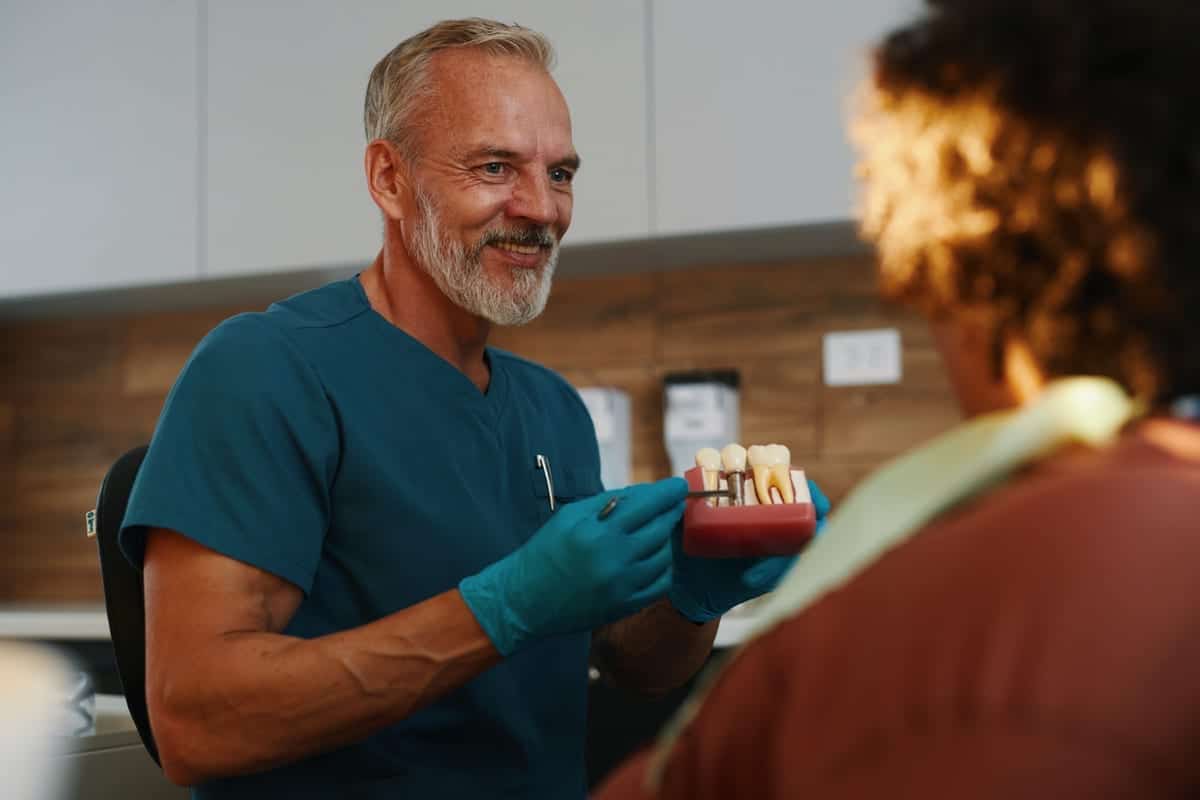
Understanding what happens during your dental implant procedure step-by-step in Upland can make all the difference. Many patients feel anxious because they simply don’t know what to expect. At Choice Family Dentistry of Rancho Cucamonga, Dr. Andrea Choi believes that knowledge reduces fear. When you understand each stage, you walk into your appointment with confidence instead of worry.
Step One: Your Initial Consultation and Treatment Planning
Every dental implant journey begins with a thorough consultation. Dr. Choi will review your dental and medical history during this visit. She will take digital X-rays and 3D scans to evaluate your jawbone density and gum health. This information forms the foundation of your personalized treatment plan.
During the consultation, Dr. Choi will also assess whether you need any preparatory work. Some patients require a bone graft before implant placement. Others may need a tooth extraction first. You will leave this appointment with a clear timeline and a complete understanding of your next steps.
This is also your chance to ask every question on your mind. No question is too small or too basic. The team at Choice Family Dentistry welcomes open conversation. An informed patient heals better and feels more comfortable throughout the process.
Step Two: Implant Placement — What Happens in the Operatory Chair
On implant placement day, Dr. Choi will administer local anesthesia to numb the area completely. You should feel pressure, but no sharp pain. Many patients are pleasantly surprised by how comfortable this stage feels. Sedation options are available for patients who feel especially anxious.
Once you are numb and comfortable, Dr. Choi makes a small incision in your gum tissue. She then gently prepares a precise channel in the jawbone. The titanium implant post is carefully placed into that channel. The incision is then closed with a few small sutures.
The entire surgical appointment typically takes one to two hours. Afterward, you will receive detailed aftercare instructions before you leave. A trusted companion should drive you home that day. Most patients return to light activity within 24 to 48 hours.
Step Three: The Healing Phase and Osseointegration
After placement, the implant begins a critical process called osseointegration. This is when the titanium post bonds directly with your surrounding jawbone. It is the biological process that makes implants so stable and long-lasting. This phase generally takes three to six months to complete.
During this healing period, you will have follow-up visits with Dr. Choi. She monitors your progress and checks for signs of healthy integration. You will wear a temporary restoration during this time so your smile remains functional. Most patients experience only mild soreness during the first week.
Here is what you can expect during the osseointegration phase:
- Mild swelling and tenderness for three to five days post-surgery
- Soft food diet for one to two weeks after placement
- Gentle oral hygiene around the implant site
- Scheduled check-ins with Dr. Choi to track healing
- Gradual return to normal eating as healing progresses
Patience during this stage is essential. Rushing the process risks implant failure. Dr. Choi will give you the green light before moving to the next step. Your long-term result depends on allowing full osseointegration to occur.
Step Four: Abutment Placement and Your Custom Crown
Once osseointegration is complete, the next step involves placing the abutment. The abutment is a small connector piece that attaches to the top of the implant post. It serves as the anchor for your permanent crown. This minor procedure also requires local anesthesia and typically takes less than an hour.
After abutment placement, Dr. Choi takes precise impressions of your bite and neighboring teeth. These impressions go to a dental lab where your custom crown is fabricated. The crown is color-matched and shaped to blend naturally with your smile. This attention to detail ensures a beautiful, lifelike result.
When your crown is ready, Dr. Choi secures it to the abutment. She checks your bite carefully and makes any needed adjustments. At this point, your implant is fully complete and functional. You can eat, speak, and smile with total confidence.
Benefits of Choosing Dental Implants for Tooth Replacement
Dental implants offer advantages that other tooth replacement options simply cannot match. Understanding these benefits helps you see why so many Upland patients choose this solution. Here is a quick overview of what makes implants stand out:
- They look, feel, and function like natural teeth
- They preserve jawbone and prevent bone loss over time
- They do not require alteration of neighboring healthy teeth
- They can last decades with proper care and maintenance
- They improve chewing ability and overall nutrition
- They support facial structure and prevent premature aging
Beyond implants, Choice Family Dentistry offers a full range of treatments. If you have a dental emergency, our Emergency Dentistry services are available to help you quickly. For patients interested in straightening their teeth, our Invisalign Dentist services offer a discreet and comfortable solution. Dr. Choi and her team are here to support your complete oral health journey.
What to Expect After Your Implant Is Complete
Once your implant crown is placed, caring for it is straightforward. Brush twice daily and floss at least once a day around the implant. Use a soft-bristled toothbrush and non-abrasive toothpaste. These simple habits keep your implant healthy for years to come.
Regular checkups with Dr. Choi remain important even after your implant heals. She monitors the surrounding gum tissue and bone at every visit. Professional cleanings remove buildup that brushing alone cannot reach. Consistent maintenance protects your investment in your smile.
Upland patients who choose dental implants at Choice Family Dentistry benefit from personalized care at every stage. Dr. Choi takes time to explain each step and answer every question. Her approach prioritizes your comfort, health, and confidence. You are never just a number at this practice.
If you are ready to take the first step toward a complete, confident smile, our team is here for you. Book Now to schedule your appointment with our team.
Frequently Asked Questions
How long does the entire dental implant process take from start to finish?
The full dental implant process typically takes between five and nine months. This timeline includes the initial consultation, implant placement, the osseointegration healing phase, and crown placement. Patients who require bone grafting may need additional time before surgery. Dr. Choi will give you a personalized timeline during your consultation.
Is the dental implant procedure painful?
Most patients report that the procedure is far more comfortable than they expected. Local anesthesia keeps you numb throughout the surgical appointment. You may experience mild soreness and swelling for a few days after placement. Over-the-counter pain relievers are usually sufficient to manage any post-operative discomfort.
Am I a good candidate for dental implants?
Good candidates typically have adequate jawbone density, healthy gums, and no uncontrolled systemic health conditions. Patients who smoke or have certain medical conditions may face additional evaluation. Dr. Choi conducts a thorough assessment during your consultation to determine your candidacy. Even patients with bone loss may qualify after a bone grafting procedure.
How do I care for my dental implant after it is placed?
Care for your implant just as you would your natural teeth. Brush twice daily, floss regularly, and visit Dr. Choi for routine checkups and cleanings. Avoid chewing on very hard objects like ice or hard candy. With proper care, dental implants can last 20 years or longer.
What makes dental implants different from dentures or dental bridges?
Dental implants are the only tooth replacement option that replaces the tooth root as well as the crown. This stimulates the jawbone and prevents bone loss that occurs with dentures and bridges. Implants do not shift or require adhesives, and they do not involve altering healthy neighboring teeth. They provide the most stable and natural-feeling result available in modern dentistry.