

TMJ Treatment Options in Cucamonga, CA Rancho Cucamonga, CA

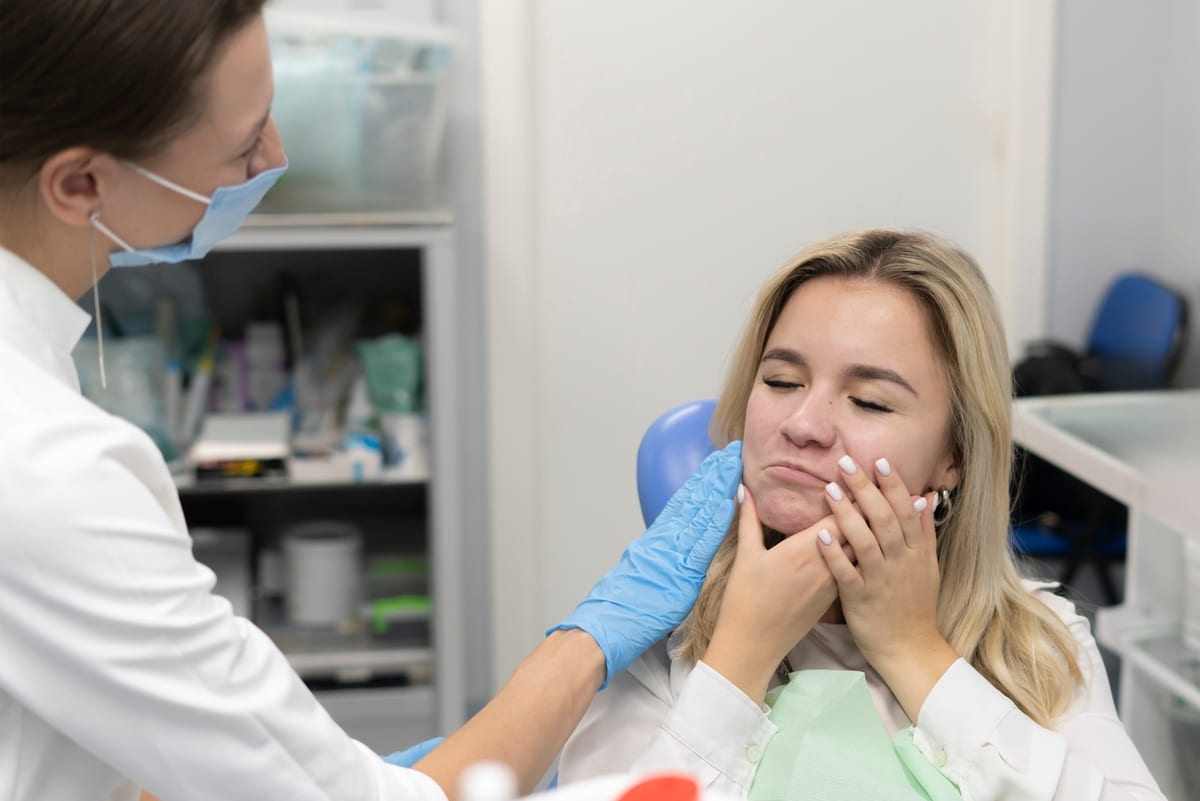
If jaw pain, clicking, or headaches are disrupting your daily life, you are not alone. TMJ disorders affect millions of Americans every year. Understanding your options — from home care to advanced relief — is the first step toward feeling better. At Choice Family Dentistry of Rancho Cucamonga, Dr. Andrea Choi helps patients across Cucamonga, CA find lasting comfort through a full range of TMJ treatment options explained clearly and compassionately.
What Is TMJ and Why Does It Matter in Cucamonga?
The temporomandibular joint — commonly called the TMJ — connects your jawbone to your skull. It controls every chewing, speaking, and yawning motion you make. When this joint becomes inflamed or misaligned, the result is a condition known as temporomandibular disorder (TMD).
Symptoms can range from mild discomfort to severe, life-altering pain. Many Cucamonga patients describe jaw stiffness, ear pain, facial soreness, and difficulty opening their mouths wide. Some even experience headaches or neck tension linked directly to TMJ dysfunction.
The good news is that effective treatment exists at every severity level. Knowing which approach suits your situation makes all the difference. Dr. Choi takes time to evaluate each patient individually before recommending any treatment path.
Starting With Home Care: Conservative TMJ Treatment Options Explained
For many patients, conservative home care is the ideal starting point. These strategies are low-risk, affordable, and often surprisingly effective for mild to moderate TMJ symptoms.
Home care strategies your dentist may recommend include:
- Applying warm or cold compresses to the jaw for 10–15 minutes at a time
- Eating soft foods to reduce stress on the joint
- Avoiding wide jaw movements like yawning excessively or chewing gum
- Practicing gentle jaw-stretching exercises prescribed by your dentist
- Managing stress through relaxation techniques, since tension often triggers clenching
These methods work best when symptoms are recent or mild. They help reduce inflammation and allow the joint to heal naturally. Dr. Choi often combines home care guidance with in-office monitoring to track progress closely.
If home care alone does not resolve your symptoms within a few weeks, the next level of treatment becomes necessary. Moving forward promptly helps prevent worsening damage to the joint.
Occlusal Splints and Oral Appliances: A Key Middle Ground
When home care is not enough, oral appliances offer an effective and non-invasive next step. An occlusal splint — also called a night guard or bite splint — is a custom-fitted device worn over your teeth.
These appliances serve several important purposes:
- They prevent teeth grinding and clenching during sleep
- They reposition the jaw into a more comfortable, aligned posture
- They absorb forces that would otherwise stress the TMJ
- They reduce muscle tension across the jaw, face, and neck
Unlike over-the-counter guards, custom appliances from Dr. Choi are precisely fitted to your unique bite. This precision makes them far more effective and comfortable to wear nightly. Many patients notice significant relief within just a few weeks of consistent use.
Oral appliances are one of the most widely recommended and well-researched TMJ interventions available today. They are non-surgical, reversible, and easy to incorporate into your routine. For many Cucamonga patients, this step alone resolves their symptoms completely.
Advanced Clinical Interventions for Persistent TMJ Pain in Cucamonga
Some patients experience TMJ pain that does not respond to home care or splint therapy. In these cases, Dr. Choi may discuss more advanced clinical treatment options. These approaches target deeper causes of joint dysfunction and provide stronger relief.
Advanced TMJ treatments may include:
- Physical therapy referrals — targeted exercises and manual therapy to strengthen jaw muscles
- Prescription medications — muscle relaxants or anti-inflammatory medications for acute flare-ups
- Trigger point injections — relief for muscle knots that contribute to chronic jaw tension
- Botox therapy — injections that reduce overactive muscle contractions in the jaw
- Orthodontic correction — addressing bite misalignment that drives ongoing TMJ stress
In rare and severe cases, surgical options may be explored in coordination with a specialist. However, surgery is always considered a last resort after all conservative and intermediate options have been tried. Most Cucamonga patients find lasting relief well before reaching that point.
Dr. Choi approaches every advanced case with the same careful, patient-first philosophy. She collaborates with trusted specialists when needed to ensure you receive the most comprehensive care possible.
How TMJ Treatment Connects to Your Overall Oral Health
TMJ disorders rarely exist in isolation. They often connect to other oral health concerns that deserve attention alongside your jaw treatment. Addressing the full picture leads to better, longer-lasting outcomes.
For example, untreated TMJ dysfunction can accelerate tooth wear and damage. In some patients, this creates the need for restorative work down the line. Protecting your jaw health now helps preserve your smile for years to come.
Patients with severe tooth loss may also benefit from Dental Implants, which restore proper bite function and reduce strain on the TMJ. Similarly, sudden jaw pain that appears without warning may signal a need for Emergency Dentistry to rule out other acute issues. Dr. Choi evaluates the complete health of your mouth before finalizing any treatment plan.
Comprehensive care also includes checking for sleep apnea, which frequently co-occurs with TMJ disorders. Patients who grind their teeth at night are at higher risk for both conditions simultaneously. Treating them together often produces faster and more complete relief.
Why Choose Dr. Andrea Choi for TMJ Care in Cucamonga?
Choosing the right dental provider for TMJ treatment makes a meaningful difference in your outcome. Dr. Andrea Choi brings a warm, educational approach to every patient interaction. She believes you deserve to fully understand your condition and your options before making any decisions.
At Choice Family Dentistry of Rancho Cucamonga, the entire team prioritizes your comfort and long-term well-being. From your first consultation through every follow-up appointment, you will receive personalized attention. TMJ care here is never rushed or one-size-fits-all.
Whether your symptoms are mild or severe, early intervention always produces the best results. Waiting too long can allow joint damage to progress unnecessarily. The sooner you seek evaluation, the more treatment options remain available to you.
Ready to finally get answers and relief? Book Now to schedule your appointment with our team.
Frequently Asked Questions
How do I know if I have a TMJ disorder?
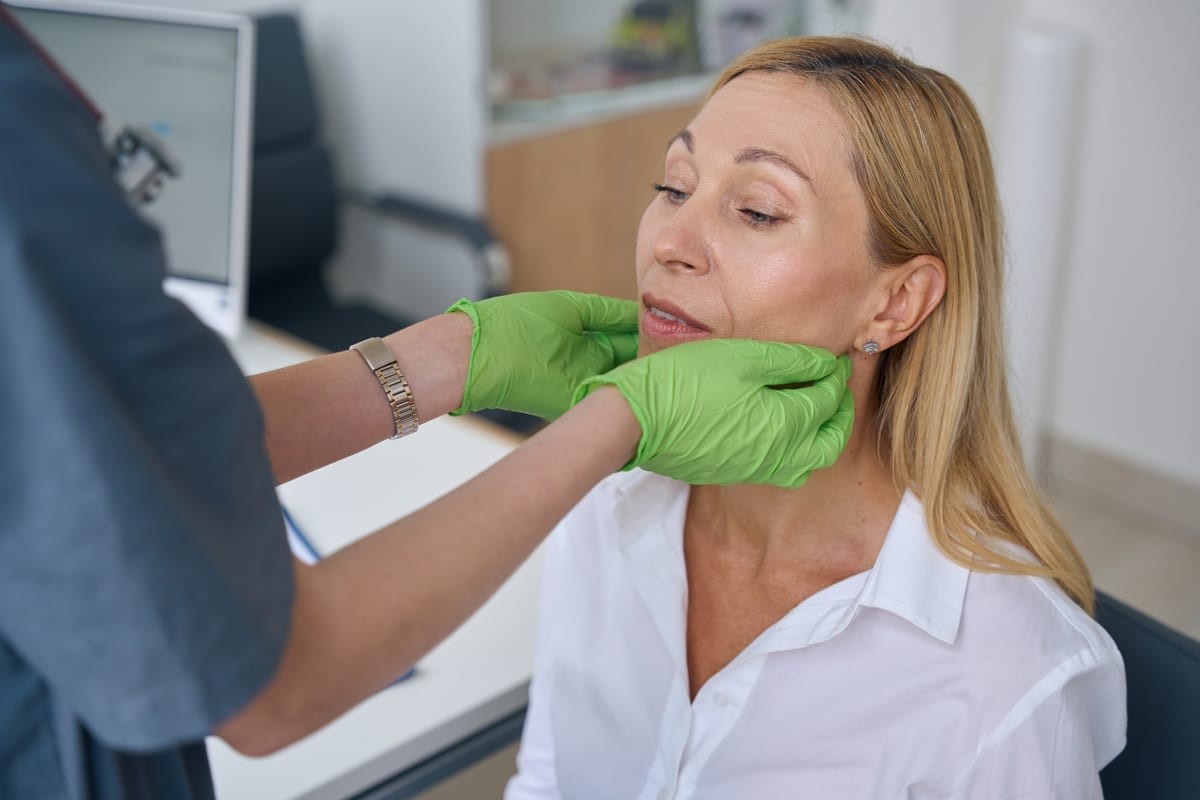
Common signs include jaw pain, clicking or popping sounds when opening your mouth, headaches, ear pain, and difficulty chewing. A dentist can confirm a TMJ diagnosis through a clinical exam and, when needed, imaging. If you notice any of these symptoms regularly, schedule an evaluation as soon as possible.
Can TMJ disorders go away on their own?
Mild TMJ symptoms sometimes improve with rest, soft foods, and stress reduction. However, moderate to severe cases typically require professional treatment to fully resolve. Ignoring persistent symptoms can allow the condition to worsen over time and lead to greater joint damage.
Is a night guard the same as a TMJ splint?
They are similar but not identical. Night guards primarily protect teeth from grinding damage, while occlusal splints are specifically designed to reposition the jaw and reduce TMJ stress. Dr. Choi will recommend the right appliance type based on your specific symptoms and bite evaluation.
How long does TMJ treatment take to work?
Treatment timelines vary depending on the severity of your condition and the approach used. Many patients notice improvement within two to six weeks of consistent splint use or home care. Advanced cases may require several months of combined therapies before achieving full relief.
Is TMJ treatment painful?
Most TMJ treatments are non-invasive and well-tolerated. Wearing a custom oral appliance involves an adjustment period but is generally comfortable. More advanced interventions like injections are performed with care to minimize discomfort, and Dr. Choi will walk you through exactly what to expect beforehand.